1. Home
  2. slash
  3. Adak products
  4. slash
  5. Diesel Post-Combustion System

Diesel Post-Combustion System

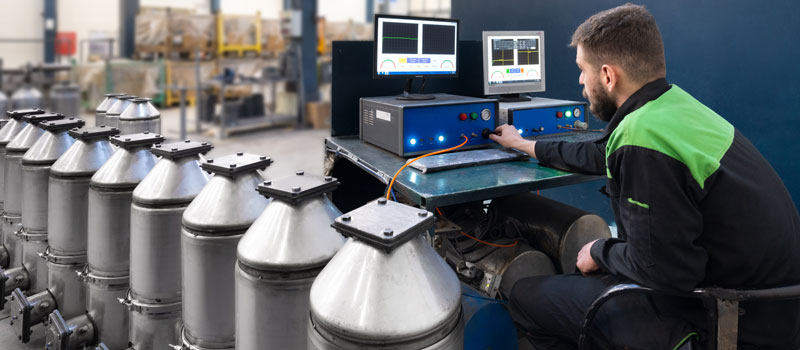
In addition to reducing air pollution, the post-treatment systems of Adak Sanat Polymer Company can play an important role in reducing health costs caused by air pollution in Iran. These systems can help reduce the incidence of respiratory diseases, cardiovascular diseases, and cancer among people in the community.
Types of Pollutants in Diesel Vehicles

Air pollutants in diesel vehicles can be categorized into two main types: criteria pollutants and non-criteria pollutants, much like the classification of natural and artificial sources. Humans have limited control over natural pollutant sources, shifting the focus primarily toward managing artificial pollutant sources. Consequently, regulations have been increasingly stringent and comprehensive to control pollutant production. Criteria pollutants are those subject to emissions restrictions imposed by quality control organizations, while non-criteria pollutants lack specific regulatory mandates. The most significant criteria pollutants for diesel vehicles include:

Carbon Monoxide

Carbon monoxide is a colorless, tasteless, and odorless gas produced from the incomplete combustion of carbon. It remains chemically inert under normal conditions and has an average atmospheric lifespan of about two and a half months. At high concentrations, carbon monoxide can cause respiratory distress and even death due to its strong affinity for hemoglobin. It forms a reaction with blood hemoglobin, creating carboxyhemoglobin, thereby reducing the blood’s capacity to carry oxygen. Hemoglobin’s 200 times higher affinity for carbon monoxide compared to oxygen means even low concentrations of carbon monoxide can severely impede oxygen transportation, presenting a significant health challenge.

Unburned Hydrocarbons

Hydrocarbons are organic compounds containing hydrogen and are broadly classified into two groups: aliphatic and aromatic hydrocarbons. Aliphatic hydrocarbons encompass alkanes, alkenes, and alkynes. In the presence of sunlight, aliphatic hydrocarbons react with nitrogen oxides at high concentrations, resulting in the production of secondary pollutants, with ozone being a significant one. Aromatic hydrocarbons are chemically and biologically active, and some have carcinogenic potential. This pollutant is identified as a contributing factor to elevated lung cancer rates in urban areas.

Nitrogen Oxides

The major constituents of nitrogen oxides comprise two phases: nitrogen monoxide and nitrogen dioxide. Nitrogen monoxide is released into the atmosphere in significantly higher quantities than nitrogen dioxide. It forms during combustion processes at elevated temperatures through the combination of nitrogen and oxygen. Nitrogen monoxide is a colorless and somewhat toxic gas, primarily generated during combustion at high temperatures, commonly found in potent furnaces or high-pressure combustion settings. Consequently, nitrogen monoxide is abundantly produced in automobile cylinders, thermal power plants, and various energy conversion processes.
A portion of nitrogen monoxide, initially considered relatively benign, transforms into nitrogen dioxide, a highly hazardous gas, through oxidation. This oxidation process is rapid at high concentrations and slower at lower concentrations unless hydrocarbons and sunlight are present. Nitrogen dioxide exhibits a yellowish-brown color, significantly reducing visibility in urban areas. Heavier than air and soluble in water, nitrogen dioxide efficiently absorbs energy in the ultraviolet range and plays a substantial role in generating certain air pollutants, such as ozone.

Particulate Matter

One of the critical physical properties of particles is their size. Unlike gaseous pollutants, the classification of particulate matter is highly intricate and expensive from a chemical composition standpoint, generally reserved for scientific studies.

The most prevalent method for measuring particulate matter relies on mass or count. Consequently, sampling conditions and standards wield a significant influence on the test outcomes. However, recent years have witnessed the introduction of standards to facilitate the comparison of results obtained from diverse tests based on both mass and quantity sampling. Among vehicles, diesel-powered vehicles stand out as the primary source of particulate matter due to their operational mechanism.

Common Classifications of Particulate Matter include:

PM10: Encompasses particles with an aerodynamic diameter of less than 10 micrometers on average.
5 or Fine Particles: Denotes particles with an aerodynamic diameter smaller than 2.5 micrometers on average.
Ultrafine Particles: Characterized by a diameter of less than 100 nanometers.
Nanoparticles: Comprising particles with a diameter smaller than 50 nanometers.

The size of these particles is directly linked to their potential threat to human health. Suspended particles with a diameter of 10 micrometers or less pose a risk to human health, as they can penetrate the nose and throat, reaching the depths of the lungs and sometimes even the bloodstream. Inhalation of these particles can adversely affect the heart and lungs, resulting in severe health implications.
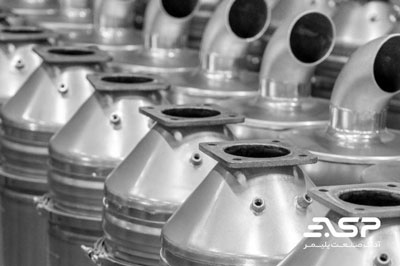
محصولات کاتالیست اکسنده دیزلی (DOC) آداک

Diesel Oxidation Catalyst

The Diesel Oxidation Catalyst (DOC) was first implemented in diesel vehicles for mining applications in 1967. Following the introduction of the initial emissions restrictions on CO and HC in 1970, various catalysts, including Diesel Oxidation Catalysts (DOC), were developed and utilized in diesel vehicles.

Selective Catalytic Reduction (SCR)

Nitrogen oxides, NO and NO2, collectively referred to as NOx, are among the most harmful compounds present in the exhaust gases of diesel engines. High concentrations of these gases in the atmosphere pose serious health and environmental risks. The purpose of employing the Selective Catalytic Reduction (SCR) system is to reduce the levels of these polluting gases. This system comprises a set of catalysts, NOx measurement sensors, an electronic control unit, a tank of ammonia solution (urea), and an ammonia solution injector.
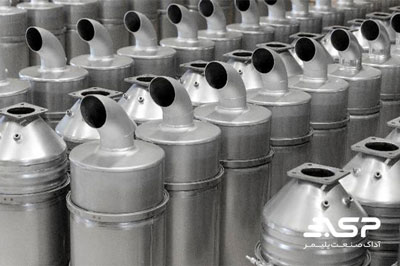
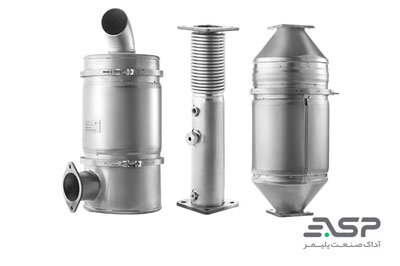
محصولات کاتالیست کاهنده اکسیدهای نیتروژن (SCR) آداک
محصولات فیلتر جاذب ذرات معلق (DPF) آداک

Diesel Particulate Filter (DPF)

The Diesel Particulate Filter (DPF) was initially introduced in the 1970s due to concerns about the inhalation effects of particulate matter. Its application for off-road vehicles began in the 1980s and expanded to heavy-duty diesel vehicles since 2006. While there is no mandatory requirement for installing particulate filters on diesel vehicles, tightening regulations have positioned DPFs as the most effective tool for achieving Euro 6 emissions standards for diesel vehicles.

Frequently Asked Questions

Edit Content

Adak Sanat Plimer is a knowledge-based company that has been operating since 2014 with the presence of scientific elites. This group provides the latest technological achievements to its compatriots with valuable experiences in the international field.

Edit Content

Working with a professional group that has achieved global honors, including the acquisition of the most suitable technologies for the production of various types of insulation and post-refining systems, and creates the least dependence on outside Iran, can be an attractive and professional achievement.

Edit Content

Adak Sanat Polymer is the only Iranian team that has competed with a big company like VOLVO in the manufacture and production of catalysts and has won many honors for localization and reducing the need and dependence on foreign countries. Obtaining the SAPCO method approval certificate, ISO 9001 and obtaining official representation from KAILONG company in Iran are some of the achievements of the organization.

Frequently Asked Questions

Edit Content
Click on the Edit Content button to edit/add the content.
Edit Content
Click on the Edit Content button to edit/add the content.
Edit Content

Adak Sanat Polymer is the only Iranian team that has competed with a big company like VOLVO in the manufacture and production of catalysts and has won many honors for localization and reducing the need and dependence on foreign countries. Obtaining the SAPCO method approval certificate, ISO 9001 and obtaining official representation from KAILONG company in Iran are some of the achievements of the organization.